markets
Weekend Majors, Pinned to the Board
Bitcoin, ether, and solana spent the weekend like regulars at the window. Here is what the corner shop would pin for Monday coffee, without a stadium voice.
What the window showed
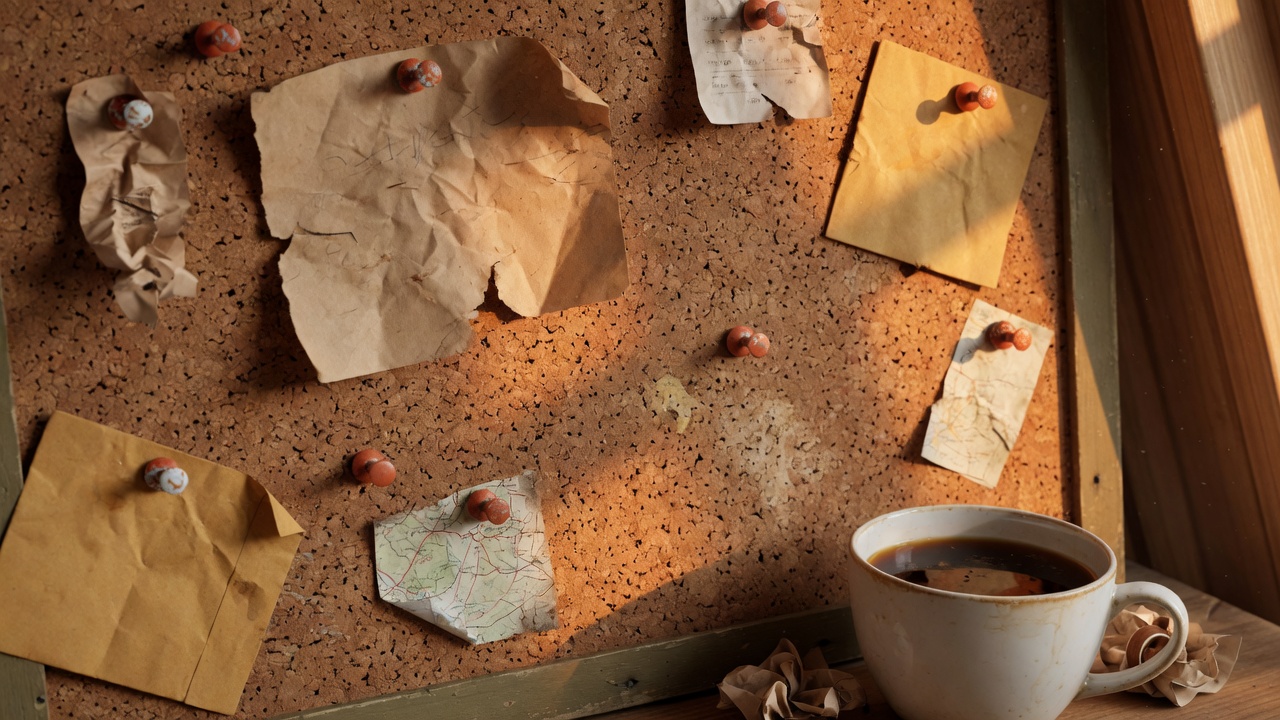
Weekend majors did not need a siren. They needed a pin. Bitcoin, ether, and solana spent Saturday and Sunday where the corner always puts them: the top of the cork, next to the coffee list, where a regular can read the names without asking the shop to shout.
Bitcoin held the first tack. That is not a tabloid beat. It is the weekly habit. When the window is open and someone walks in with a question, they start with the biggest pin. Ether sat under it like a second notice. Solana kept the third row, a little more restless, the way a weekend note gets rewritten if the afternoon gets busy.
The corner does not run a stadium board. We pin what people will actually stop to read. Majors earn that space because they are the shared language of the block. You can talk about an alt at the counter. You still hang the majors where the light hits.
How a neighborhood weekly treats a chop
A green hour is a green hour. A chop is a chop. The corner files both the same way: a short note, a date, a tack that can be moved on Monday. We do not invent a parade because a candle cooked for twenty minutes, and we do not sweep the board clean because a range held through brunch.
Bitcoin still sets the tone for the other two pins. When it holds, the window feels calm. When it wiggles, ether and solana get more fingerprints on their notes. That is not a secret model. It is how regulars already talk while the kettle clicks.
Solana tends to look like the weekend errand, quicker to rewrite, quicker to get a fresh scrap of paper. Ether sits more like a standing flyer, slower to swap, still the second name people ask about after bitcoin. None of that needs a shout. It needs a board that stays current.
What Monday coffee should actually ask
Start with the three pins, not a rumor from the sidewalk. Did bitcoin hold the same tack it had on Friday? Did ether need a new scrap? Did solana get shuffled because the afternoon got loud? Those are neighborhood questions. They fit a mug. They do not need a countdown clock.
If an alt wants space this week, it still waits for a lower pin. The top row is for majors because the top row is for names that do not require a glossary at the door. A corner shop that rotates the whole board every hour is not a shop. It is a pile of paper on the floor.
The other useful question is simpler: what would you still pin if the weekend had been quiet? Bitcoin, ether, solana. That is the answer on most Mondays, including this one. The rest of the cork can wait until someone actually stops to read it.
Why the board stays small
A weekly that tries to pin everything stops being a weekly. The corner keeps a short top row on purpose. Three majors, a date stamp, and enough white space that a regular can find the note without squinting. If the street gets busy later in the week, we add a card. We do not build a wall.
That is also how we treat price talk. The strip under the awning ticks so you can glance. The notes on the cork explain the glance. One is a receipt. The other is a conversation. Mixing them up is how a shop starts sounding like a booth it never wanted to be.
So the weekend file is short on purpose. Bitcoin first. Ether second. Solana third. Coffee in hand. Tacks in rust. The window still says open.
The pin we are leaving up
Leave the majors where they are until the next honest rewrite. If Monday changes the scrap, we change the scrap. If it does not, the board can look a little faded and still be right. Neighborhood weeklies are allowed to look lived in. That is the point of cork.
The corner will keep the same three names at the top until the street gives us a better reason. Until then, the weekend majors stay pinned, the kettle stays on, and the shop treats the chart like a notice, not a parade.